
Brick by Brick
LEGO is one of those rare brands that feels timeless. Whether you first encountered it on a bedroom floor in the 1980s or on a coffee table via an elegant adult display set, Lego has managed to grow up alongside its audience without ever losing its identity.
As National Lego Day (28 January) rolls around, it’s worth looking beyond the nostalgia to understand how Lego evolved from a small Danish workshop into a global business success story. Because behind every colourful brick is a company built on long-term thinking, disciplined growth, and financial decision-making that accountants, in particular, will quietly admire.
From Simple Play to Serious Business
LEGO was founded in 1932 by Ole Kirk Christiansen, originally producing wooden toys. The company name comes from the Danish phrase leg godt “play well”, a philosophy that still underpins the brand today. The real turning point came in 1958, when the interlocking plastic brick was patented. Crucially, that design has remained compatible ever since.
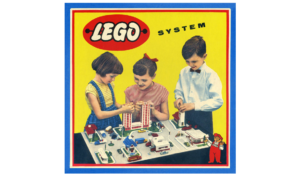
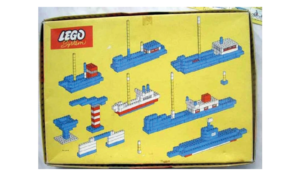
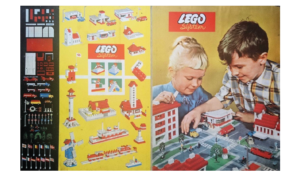
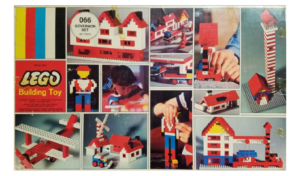
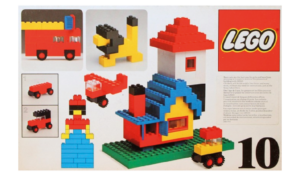
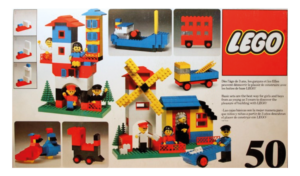
From a business perspective, this decision was quietly revolutionary. It created built-in customer loyalty, long product lifespans, and a system where old and new inventory could coexist seamlessly. A Lego brick made decades ago still fits perfectly today which is a level of consistency most industries can only dream of.
That long-term thinking is reflected not just in Lego’s financial performance, but in its sheer scale. More than 600 billion Lego elements have been produced worldwide, with the company now manufacturing around 36 billion bricks every year. To put that into perspective, the bricks produced in a single year could be laid end to end and wrap around the Earth more than five times, a remarkable output for a product built on precision and consistency.
That consistency has paid off financially. In 2024, Lego reported revenue of approximately £8.4 billion, with operating profit of around £2.1 billion. Net profit reached roughly £1.6 billion, continuing a pattern of strong, stable growth even as many traditional toy companies face ongoing market pressures.
The company’s product strategy has expanded alongside its audience. Lego’s portfolio in 2024 was the largest in its history, with 840 products designed to appeal to builders of all ages.
Importantly, this momentum has continued. In the first half of 2025, Lego reported record revenue once again, with sales up 12% and net profit rising by 10%, reinforcing its reputation for disciplined, sustainable growth.
For accountants, these figures tell a familiar story: healthy margins, measured reinvestment, and a long-term view that prioritises resilience over short-term wins.
Complexity That Adds Value
If you’ve built Lego recently, you’ll know it’s no longer a quick afternoon activity. Modern sets can involve thousands of pieces, intricate internal structures, and builds that take days rather than minutes. This shift hasn’t happened by accident.
As Lego’s audience has matured, so has its product strategy. More complex sets command higher price points and longer engagement times, increasing both perceived and actual value. From a financial perspective, Lego has effectively monetised complexity offering deeper experiences without alienating new builders.
This mirrors something accountants understand instinctively: complexity isn’t a problem if it’s well managed. Like a set of accounts or a financial forecast, a Lego build only works when each step is followed in sequence and errors are corrected early. Miss a step, and you’re dismantling half the structure to put it right.
The Adult Builder: A Quiet Growth Engine
One of Lego’s most important developments in recent years has been its embrace of adult builders. Once considered a children’s toy, Lego now openly markets to adults through its 18+ range, which includes architectural landmarks, botanical displays, and collector-grade models.
This shift has been financially significant. Adult fans tend to spend more per set, purchase for display rather than play, and return repeatedly. Lego has acknowledged that adults now make up a substantial and growing portion of its customer base, contributing to consumer sales growth that has far outpaced the wider toy market since 2019.
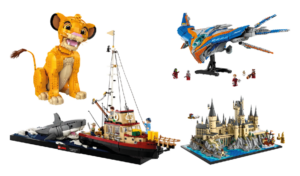

For accountants, this is segmentation done properly. Lego identified a loyal but underserved audience, designed products that matched their expectations, and priced them accordingly. It’s textbook value creation, executed quietly and consistently.
A Business That Learned from Its Mistakes
Lego’s success today is all the more impressive because it wasn’t guaranteed. In the early 2000s, the company faced serious financial difficulty. Rapid expansion, unfocused product lines, and rising costs pushed Lego into losses.
The recovery that followed is a case study in strategic restraint. Lego refocused on its core product, simplified operations, strengthened licensing partnerships (think Star Wars and Harry Potter), and reasserted financial discipline. By the mid-2010s, it had become the world’s largest toy company by revenue, a turnaround many accountants would recognise as the result of tough but necessary decisions.
Why Lego Resonates with Accountants
There’s a reason Lego feels oddly satisfying to people who work with numbers. Building a set requires structure, patience, logic, and attention to detail. It rewards methodical thinking and penalises rushed assumptions. Progress is incremental, but the end result is tangible and rewarding.
In many ways, Lego mirrors the reality of accountancy itself. You don’t see the internal workings once a model is complete, just as clients rarely see the reconciliations and checks behind their final figures. But without that careful groundwork, nothing stands up.
Lego also reinforces a truth accountants know well: creativity thrives within constraints. The rules don’t limit what you can build. They make it possible.
Still Relevant in a Digital World
Despite competition from digital entertainment, Lego continues to grow. Its appeal lies in what screens can’t replicate: physical creation, focus, and a sense of ownership. In a world of instant results, Lego asks for time and rewards it.
That enduring relevance has real financial weight. Lego remains one of the world’s most trusted and valuable brands, consistently recognised in Brand Finance rankings for its strength, stability, and long-term consumer loyalty.
Final Thoughts
Lego’s story isn’t just about toys. It’s about thoughtful growth, financial discipline, and understanding your audience with lessons that resonate far beyond the playroom.
This National Lego Day, whether you’re building with a child, rediscovering a long-forgotten set, or simply admiring the business behind the bricks, remember this:
Lego didn’t succeed by rushing. It succeeded by building carefully, step by step, a mindset that accountants understand instinctively.
If this way of thinking resonates, and you’d like to explore how structured learning and long-term thinking apply in practice, you can contact us to have an informal conversation about where that journey might lead.
Accountants would approve.
Article by Carl